From an idea to a product people rely on.
Custom web applications, SaaS products, portals and booking or management systems, designed, built, launched and maintained by one team.
The challenge
Consistency is engineered, not hoped for.
An idea becomes a product through hundreds of small decisions: data, accounts, permissions, payments, edge cases. Rushed, the first version becomes the thing nobody can change.
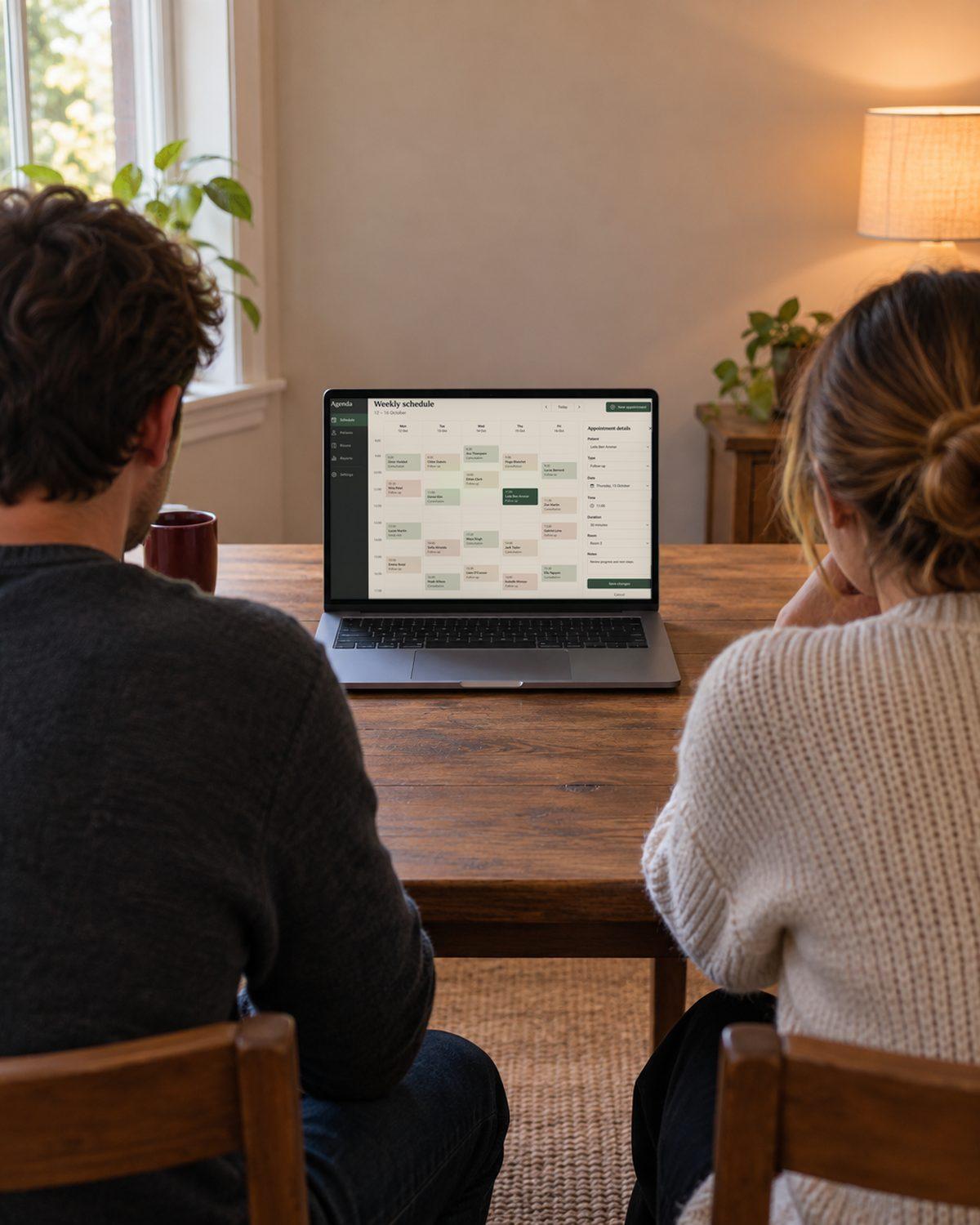
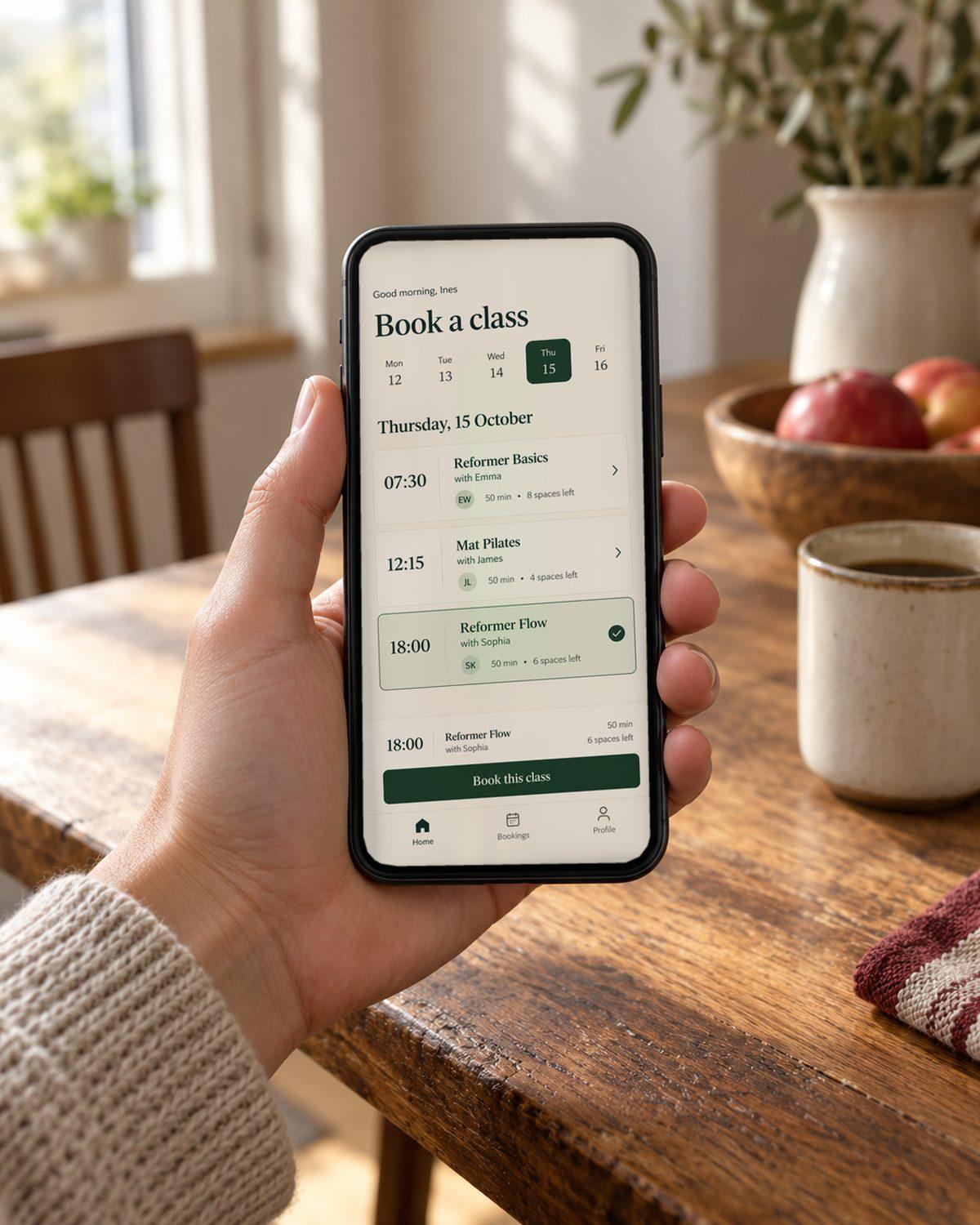
A shared design system gives web and mobile the same tokens, components and behaviour. New screens are assembled from parts that already work, are already accessible and already tested.
A first version
Small enough to launch. Built to keep.
- 01
Scope
The few journeys the product cannot launch without, and the ones that can wait. Written down and agreed before design starts.
- 02
Design
Screens for the real cases: empty states, errors, permissions, the second user in the account.
- 03
Build
Accounts, payments, data and the interface together, with tests on the paths that matter and a preview you can use.
- 04
Launch and iterate
Monitoring from day one, deployments you can roll back, and releases driven by how people actually use it.
Data people can read without exporting it.
What we design and build
A good fit when
- 01A validated idea needs a production-grade first version.
- 02Customers book by phone and message because there is no portal.
- 03A prototype has users, and now it needs to survive them.
Technology we reach for
Application
- Next.js
- React
- NestJS
- Node.js
Data
- PostgreSQL
- Prisma
- Redis
- Object storage
Product
- Authentication and SSO
- Stripe billing
- Role-based access
- Email and notifications
Quality
- Playwright
- Error monitoring
- Preview environments
Related case study
Business Operations Management Platform
Clients, quotes, invoices and tasks in one system with clear ownership.
Client records, quotes, invoices and tasks in one platform, with a dashboard computed from live records instead of exports.
Read the case studyQuestions
Frequently asked questions
- We design and build SaaS products, from architecture to launch; customer portals and member areas; booking, scheduling and management systems; and dashboards and reporting interfaces.
- It fits situations such as: a validated idea needs a production-grade first version; customers book by phone and message because there is no portal.
- Tools are chosen per project, keeping to the smallest set your team can run. Typical choices include Next.js, React, NestJS, Node.js, PostgreSQL and Prisma.
- A clear domain model, typed APIs, tests on the paths that matter and deployments you can roll back.
- Send an inquiry through the contact page: an engineer reads it and replies by email with questions or a time to talk. If working together makes sense, you receive a written scope and estimate, and delivery runs in stages: Discover, Define, Build, then Ship & scale.
Other services
- Mobile apps
iOS and Android apps from one codebase.
- Custom software
Give operations a shared source of truth.
- Websites
Distinctive, fast websites that turn visitors into enquiries.
- E-commerce
Storefronts that sell, connected to the work behind them.
Bring us the process everyone works around.
The spreadsheet that runs the business, the inbox nobody can leave, the integration that breaks quietly. Tell us where operations slow down and we will show you how we would engineer it.
What happens next
- 01A conversation with the engineers who would build it.
- 02A short written view of the problem and how we would approach it.
- 03A scoped proposal, if working together makes sense.